
Home › Blog › Black mold health risks
Black mold health risks: what the science actually says
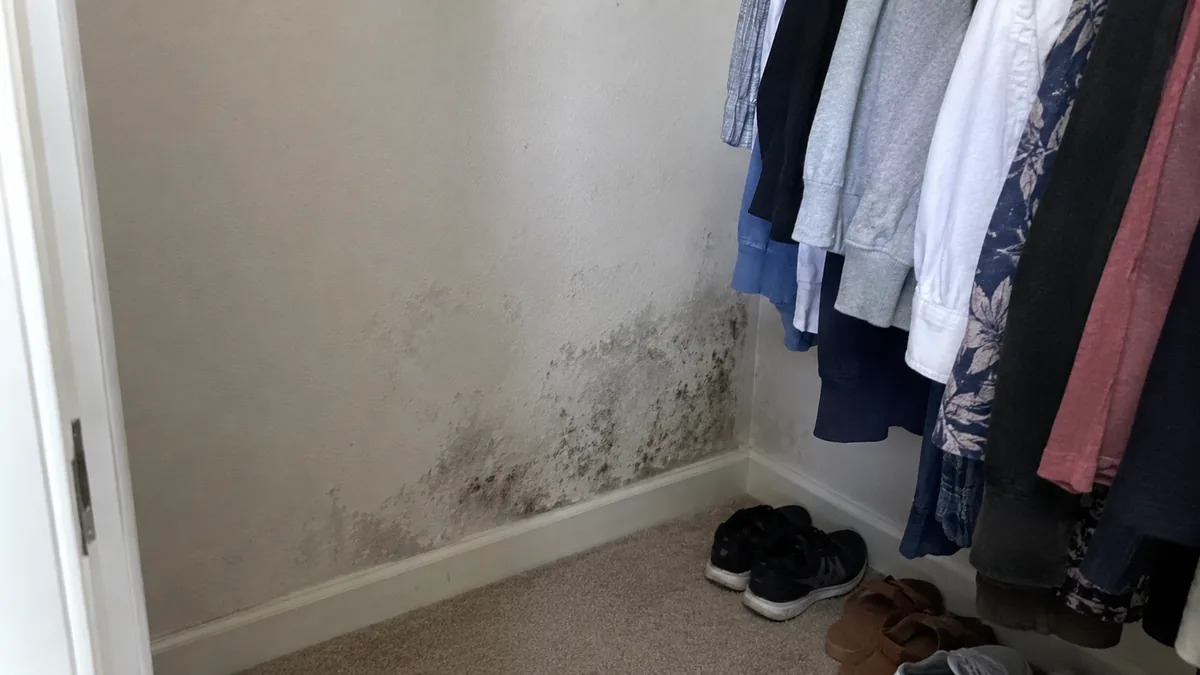
"Black mold", usually meaning Stachybotrys chartarum, has a fearsome reputation. Some of it is earned, some of it is internet myth. Here is a measured look at what is actually known, so you can take it seriously without panicking.
First, the myth-busting
Two things worth knowing upfront:
- Color does not identify mold. Many molds look black, and Stachybotrys is actually greenish-black and slimy. You cannot identify a species by eye: only lab testing can.
- "Toxic mold" oversells it. The mold itself is not toxic. Some molds can produce mycotoxins under certain conditions, but the dramatic claims (that household black mold routinely causes brain damage or death) are not supported by the scientific evidence. Health agencies including the CDC take the position that all indoor mold growth should be treated the same way: as a problem to remove, regardless of species.
The real health effects
What the evidence does support: mold exposure - black or otherwise - is linked to respiratory and allergic symptoms, particularly indoors where exposure is sustained:
- Nasal and sinus congestion, runny nose, sneezing
- Coughing, wheezing and throat irritation
- Itchy, watery eyes and skin irritation
- Worsening of asthma, with more frequent attacks, harder to control
- Headaches and fatigue in some individuals
Symptoms that improve when you leave the property and return when you come home are a classic pattern for indoor mold exposure.
Who is genuinely at higher risk
- People with asthma or allergies: mold is a common trigger and can make both conditions significantly worse.
- Infants and young children: developing airways are more susceptible; early mold exposure is associated with respiratory symptoms.
- The elderly: reduced respiratory resilience.
- Immunocompromised people: chemotherapy patients, transplant recipients and others with weakened immune systems face a real, documented risk of fungal infections from mold exposure. For this group, mold in the home should be addressed urgently.
- People with chronic lung disease: COPD and similar conditions raise the stakes of any airborne irritant.
What to do if you find black-looking mold
- Do not disturb it. Scrubbing or scraping dry mold releases spores into the air - the exposure you are trying to avoid.
- Do not spray bleach on it. On porous materials bleach fails to kill the roots and adds moisture that feeds regrowth.
- Fix the moisture. Mold is always a moisture symptom. Find and stop the water source, or it comes back in the same spot.
- Size the response honestly. A small patch on tile grout is a household job. Growth on drywall, anything over 10 square feet (the size above which Florida's licensing statute defines the work as mold assessment and remediation), or a persistent musty smell needs professional mold removal with no visible source calls for professional assessment.
Testing or removal?
If you can see mold, most authorities agree testing adds little, because the response is removal either way, whatever the species. Testing earns its keep when symptoms suggest mold but nothing is visible, or when documentation is needed for a landlord, buyer or insurer.
Worried about mold and your family's health? Describe what you are seeing and we will give you an honest read on whether it needs professional attention.
Call (561) 529-5430